GR5

From the Netherlands to Nice in 93 stages

2,000+ Kilometers
93 Stages
9 Parts
6 Countries

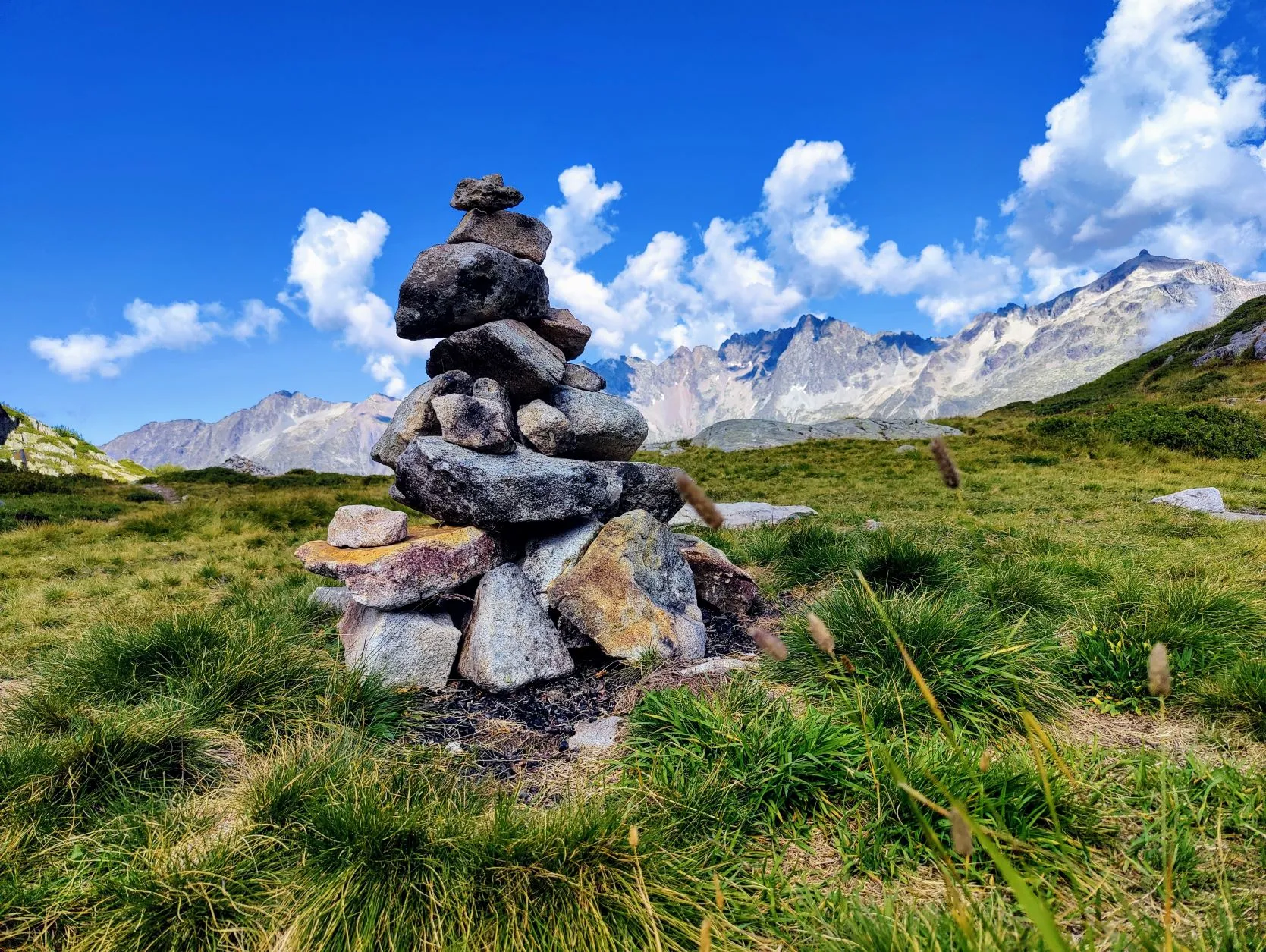
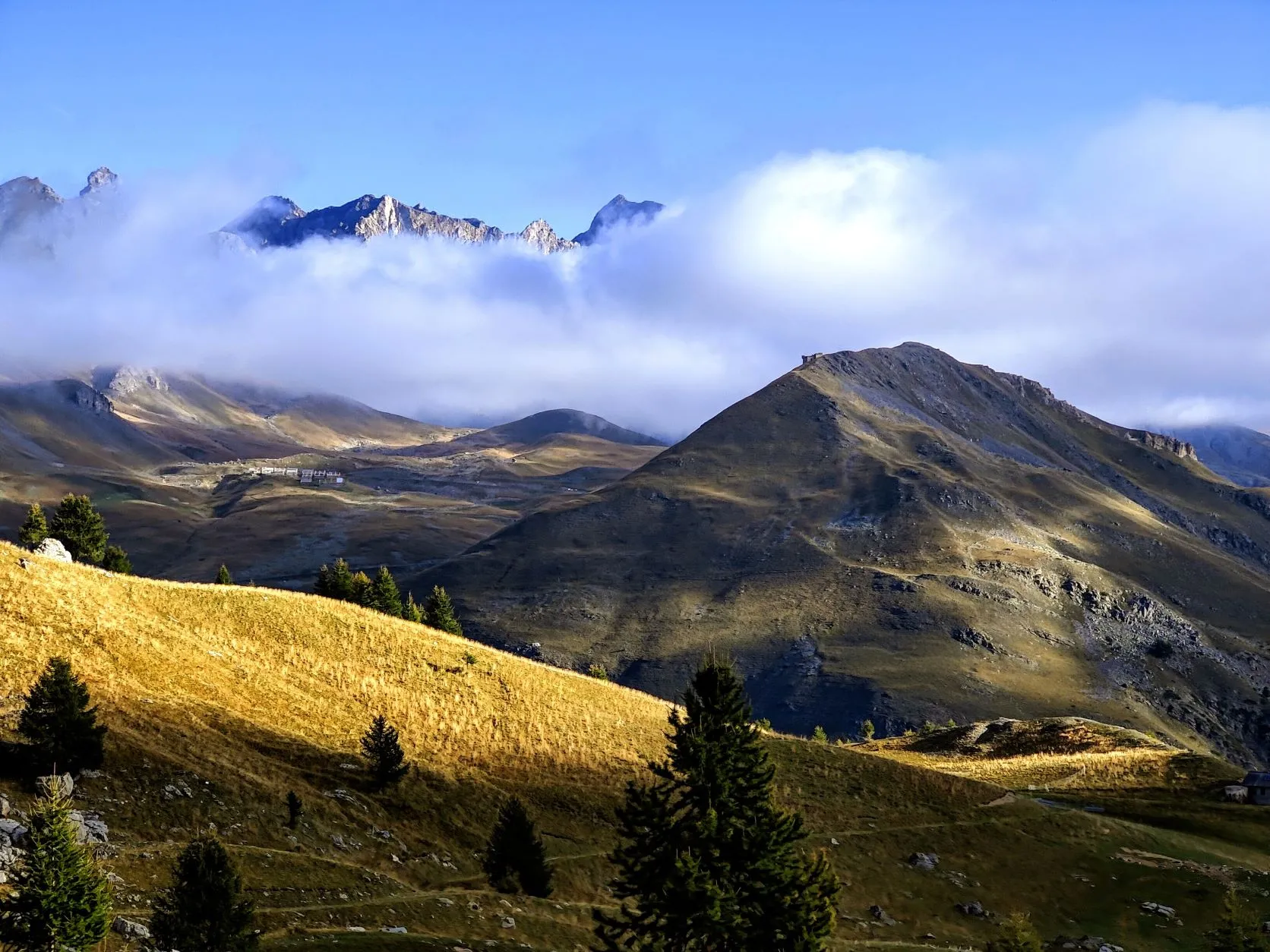
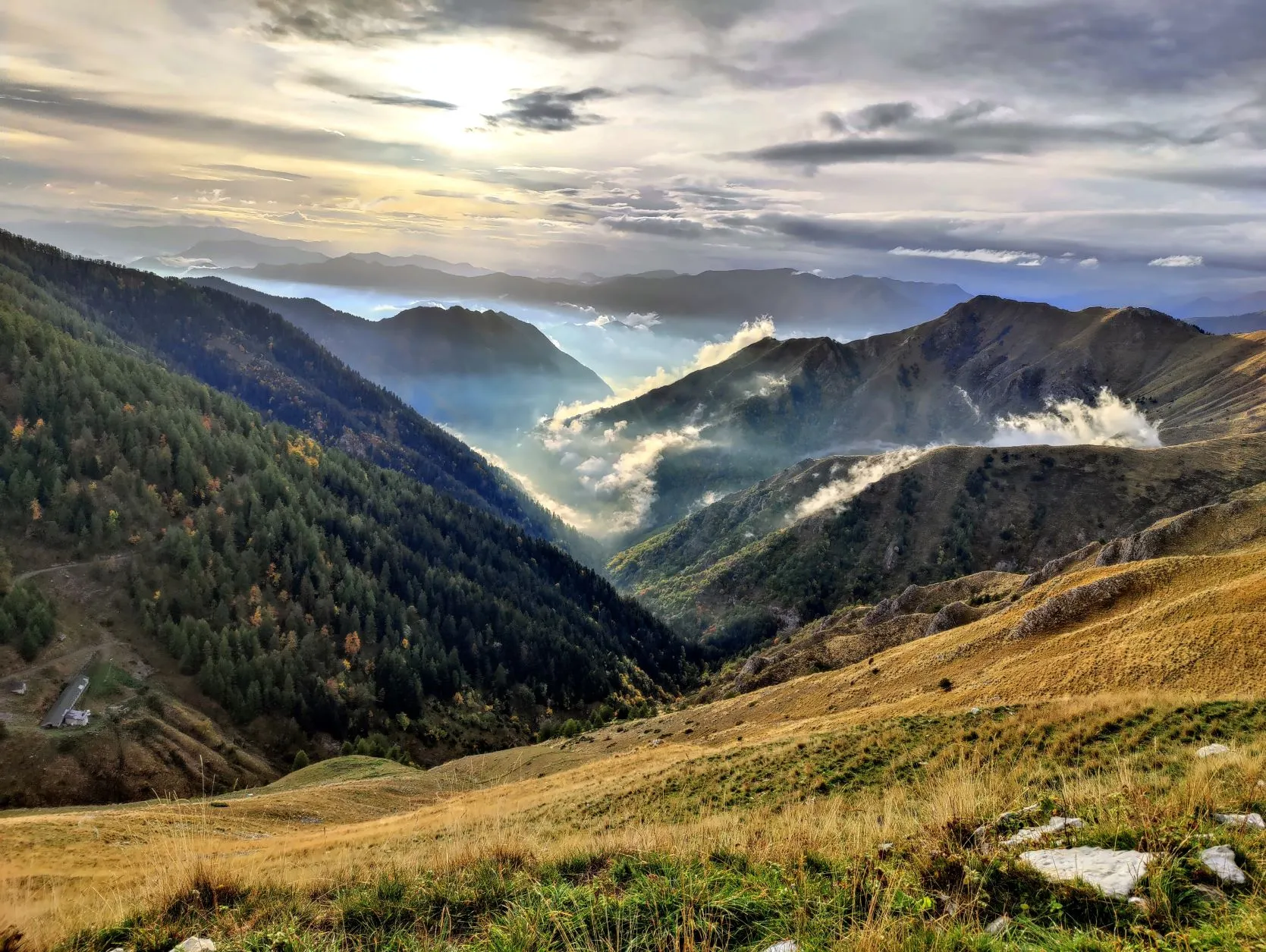
The GR5 (Grand Randonnée 5) is a long-distance trail that runs from Hoek van Holland to Nice on the Mediterranean Sea. After the pilgrimage route of Santiago de Compostela, it is Europe's most popular long-distance route. The trail crosses the Ardennes, Vosges, Jura and the Alps and covers a total of 2,150 kilometers. The highest point is the Col de L'Iseran at 2,730 meters.

We started from Heerlen in South Limburg and walked in 3 stages to Spa, where we picked up the GR5. On paper, our route was about 1,775 kilometers, but we ended up just over the 2,000-kilometer mark — about 12.5% more than planned. At the end of the route, we chose the GR52 variant to Menton, which is about 100 km longer, and afterwards still walked to Nice. All in all: one grand adventure!

The Stages

Belgium
Part 1 · Stage 1–7

Belgium

From Heerlen through the Ardennes to Luxembourg

Luxembourg
Part 2 · Stage 8–15

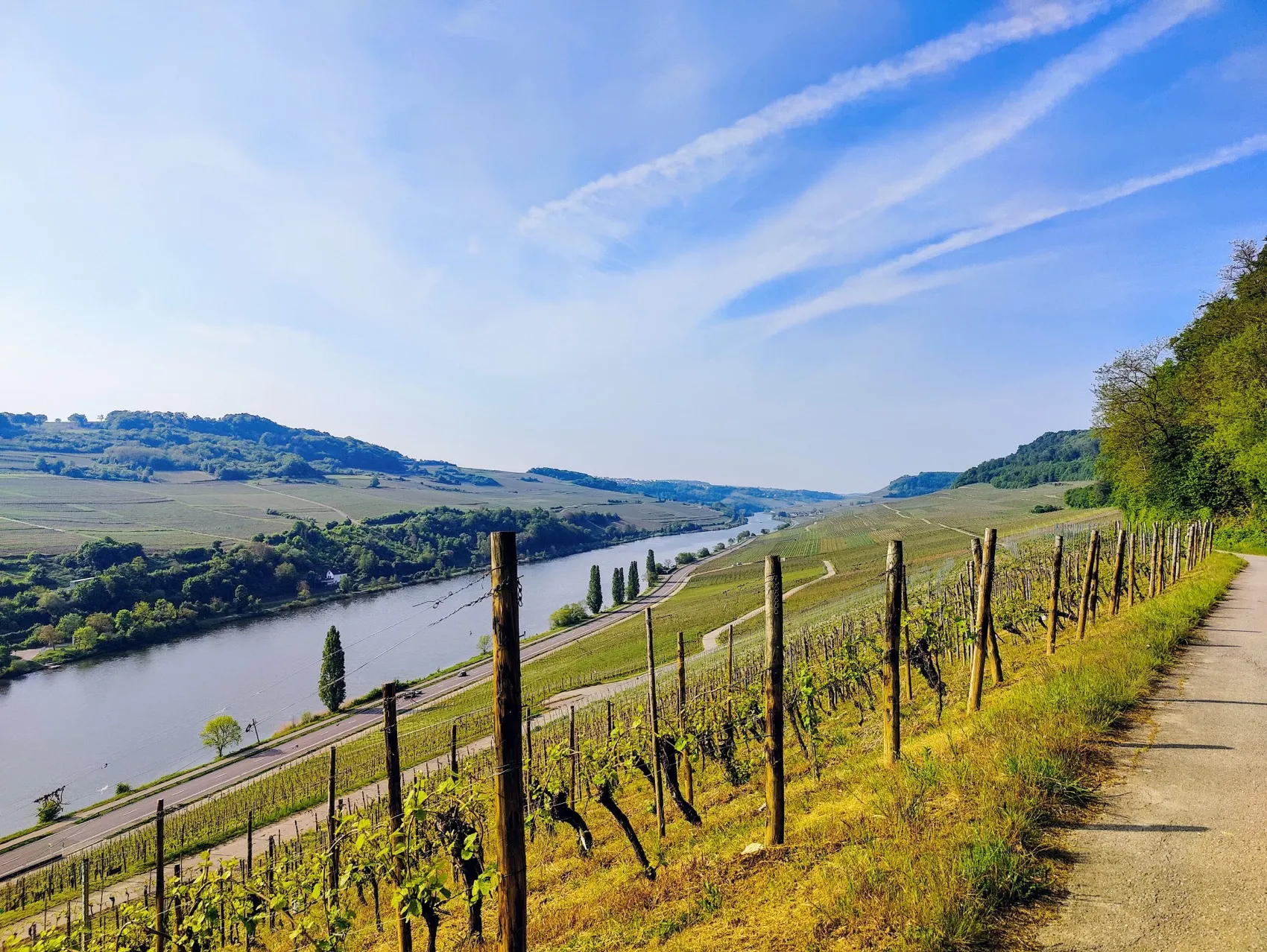
Luxembourg

Through the Luxembourg hills and forests

North of France
Part 3 · Stage 16–27

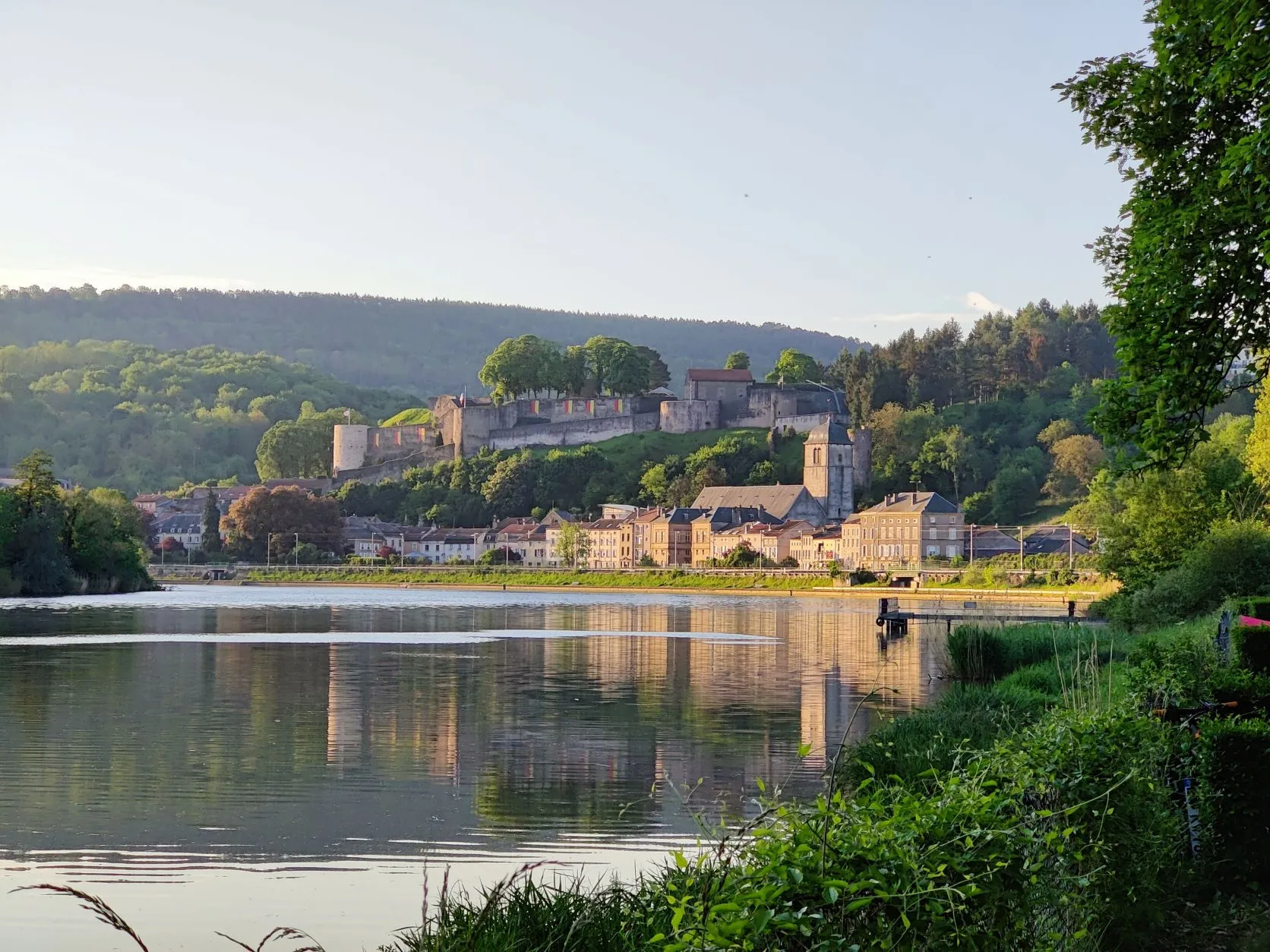
North of France

Across the French countryside to the Vosges

Vosges
Part 4 · Stage 28–40

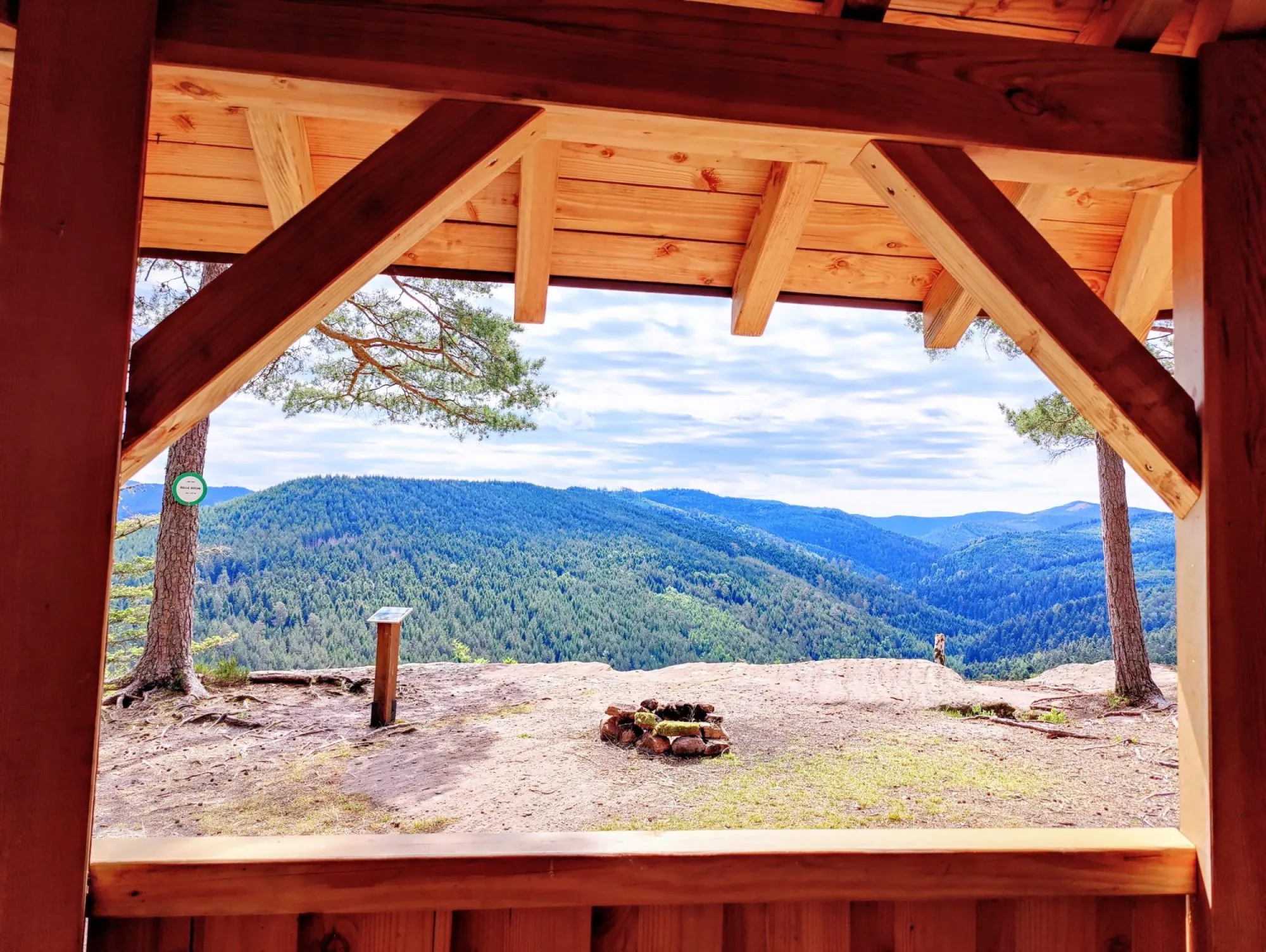
Vosges

Through the green mountains and forests of the Vosges

Jura
Part 5 · Stage 41–55

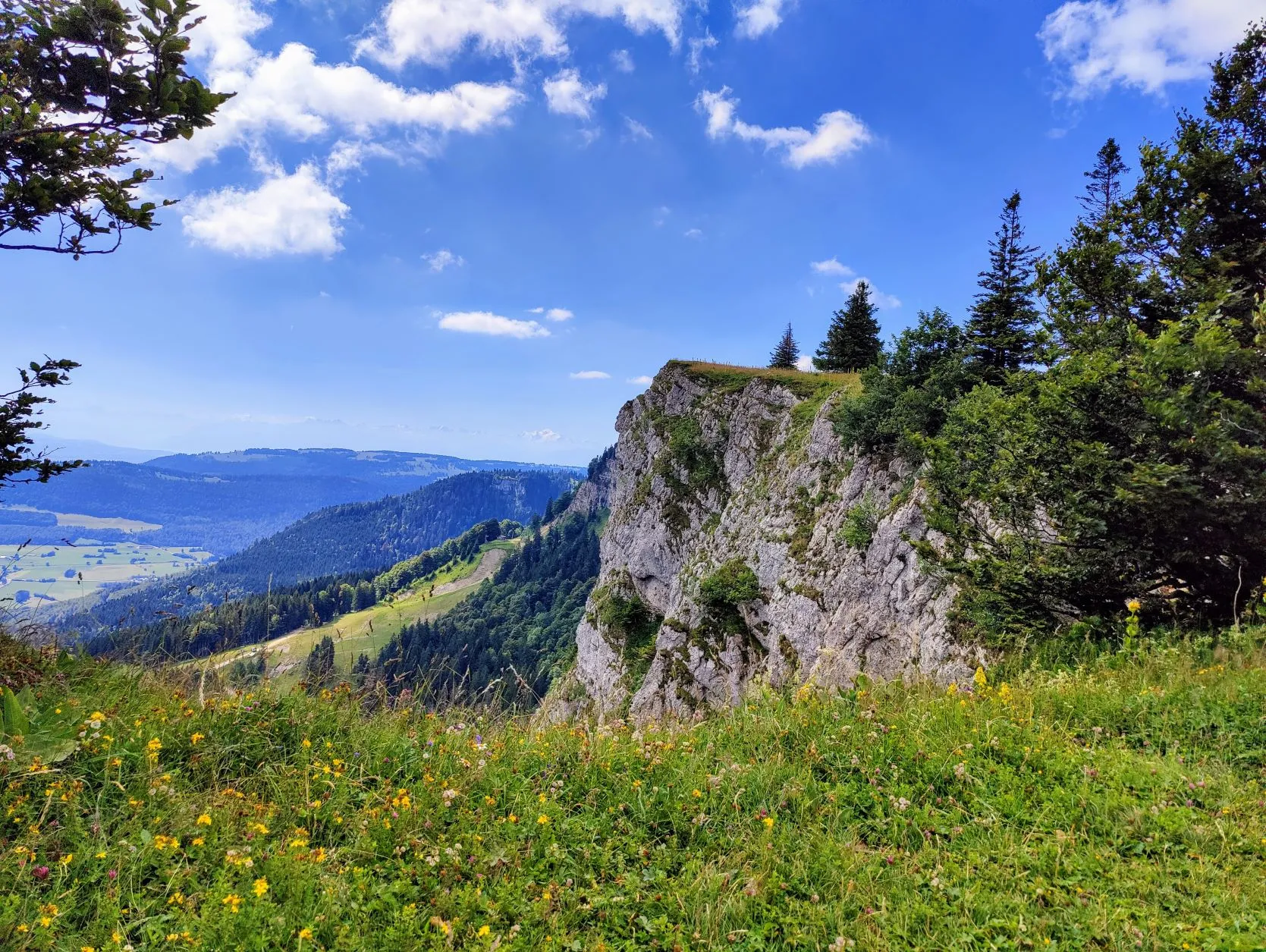
Jura

Over the hills and lakes of the Jura

Alps I
Part 6 · Stage 56–63

Alps I

The first mountain passes of the Alps

Alps II
Part 7 · Stage 64–77

Alps II

Deeper into the Alps, ever higher

Alps III
Part 8 · Stage 78–86

Alps III

Through the Vanoise and over the highest passes

Alps IV
Part 9 · Stage 87–93

Alps IV

The GR52 to Menton and Nice

Practical Tips

Accommodation

Since we like camping best, we mainly stayed overnight at campsites along the route. In the Vosges and Jura, we also slept around a dozen nights in huts/cabins specially set up for trekking hikers — varying from a basic shelter with just 4 walls and a door, to a small house with stove, cooking utensils and even solar-powered lighting. Most are intended for shelter, with a table and benches that can be easily moved to lay down an air mattress. There is a 'first come, first served' rule; we were almost always lucky because we weren't hiking during the summer holidays.

Bivouacking

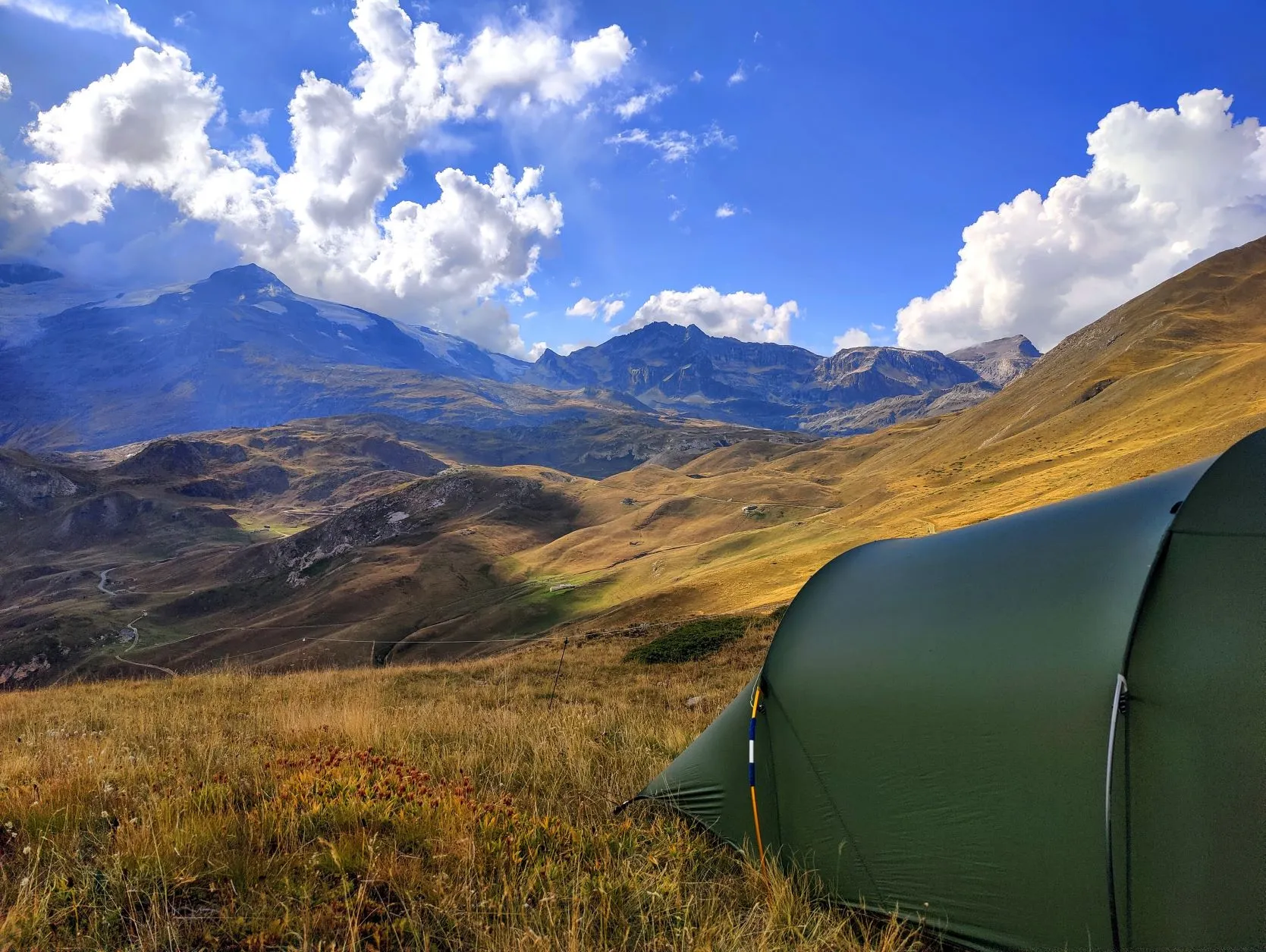
In the well-known mountain areas, we bivouacked quite a few times. These were very special experiences, surrounded only by nature and animals. It's always important to check where bivouacking is allowed, within which hours, and where you can safely pitch your tent. In France, there is a clear distinction between wild camping (not allowed) and bivouacking (tolerated). In the Mercantour, we were only allowed to bivouac between 7pm and 9am. In the Vanoise, you can only pitch your tent at certain Refuges. We always pitched at sunset and packed up as quickly as possible after waking, which worked perfectly for us.

Water

We drink quite a lot of water on a hiking day — for cooking, washing, coffee, and of course staying hydrated. On campsites, water comes from a tap, but bivouacking is a different story. The first time, we carried 6 bottles of 1.5 liters from the last village! We quickly improved our water-sourcing skills. In France, many villages have small fountains with drinking water. For uncontrolled sources and mountain streams, we carried a Katadyn water purification system. Combined with boiling, this proved to be a golden move — especially in the mountains.

Wet tent

Since many campsites are in valleys near rivers, the tent was almost always very wet when packed up, especially before and after summer — adding significant weight. Our solution: during lunch breaks, we'd pitch the tent to let it dry. This meant longer breaks, but we'd set off lighter and more rested, and the tent would be dry enough at the next stop.

Prices

French mountain shops are expensive, but you can always put together a simple meal from basics. In Luxembourg, petrol stations proved a godsend for groceries. Switzerland was very expensive — once we spent €35 on a simple dinner and breakfast. Tip: stock up before crossing the Swiss border. Campsites averaged around €17/night, hotels around €70/night. Huts and bivouacking were free, except in the Vanoise where Refuges charged €5/person for sanitary facilities and water.

Moisture

Camping while hiking is fantastic, but keeping everything dry is a challenge. We always put wet gear in plastic bags and dried everything during breaks. An important lesson: a waterproof backpack isn't always the best choice — moisture that gets in is hard to get out. Next time, we'd choose a breathable backpack with a rain cover.

Food

Long stages in the mountains require lots of food. Our first bivouac taught us: pack as light as possible! We quickly replaced fresh vegetables with dried ones and freeze-dried meals for multi-day stretches. General tip: avoid canned goods — you have to carry the empty cans back down too. After 3 days on freeze-dried meals, we'd desperately crave fresh fruit and a 'real' meal...