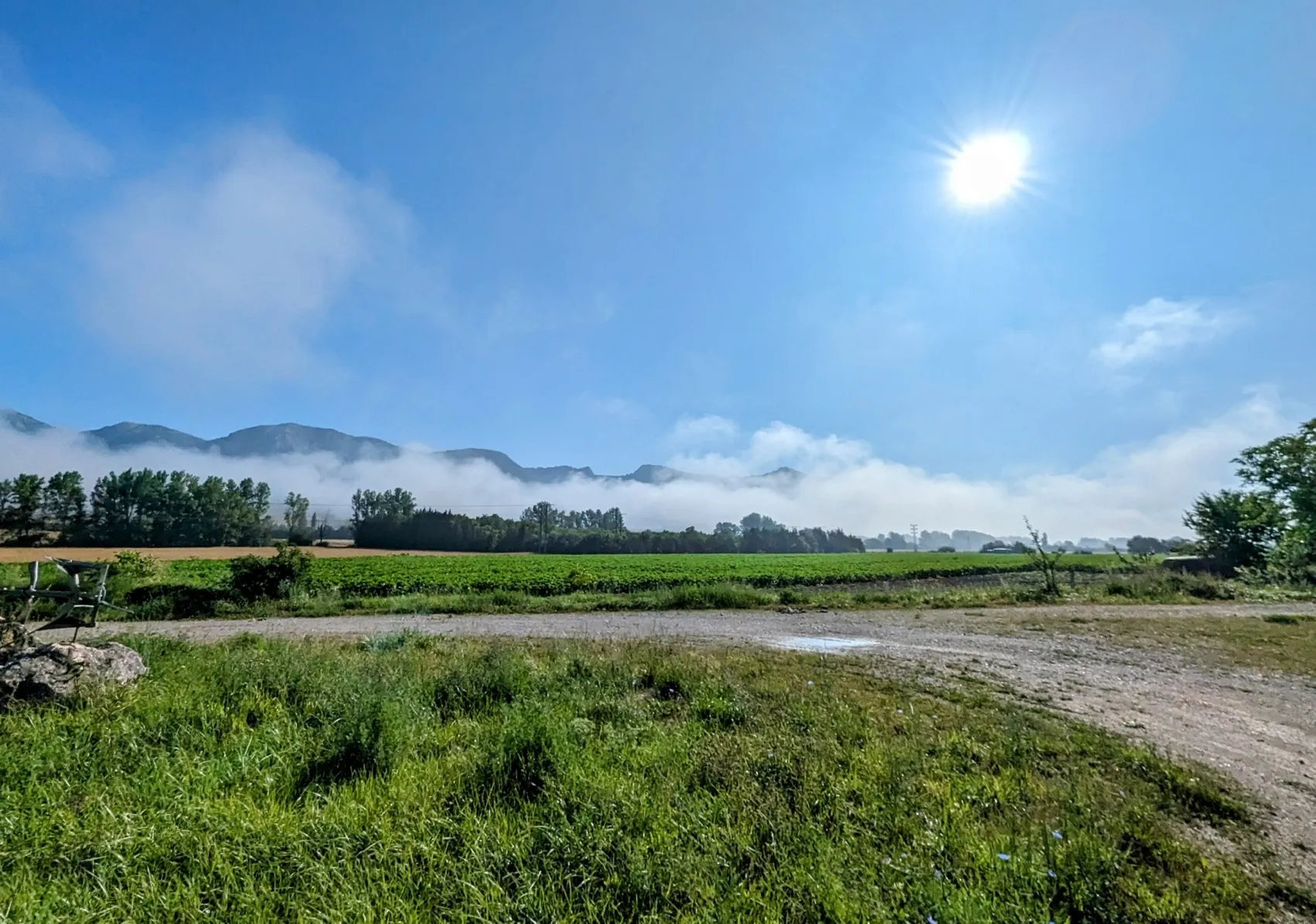
It's been a week since we took the train in Albéniz at the end of stage 80. After five days of rain and a day of letting our gear dry, the sun timidly breaks through the morning mist. It feels wonderful to be standing at the beginning of a stage again. But we made good use of the rainy days. We've got our gear all set for the mountains again. Especially proper hiking boots for the high parts of the Pyrenees were crucial. We eventually found them, along with some clothing that needed replacing, in Bilbao. But today we'll still be walking in our Adidas shoes, because even though we're walking amidst hills and getting closer to the mountains, it turned out that this stage is fairly flat and mostly sticks to major trails and minor roads, as we discovered while preparing the route. The Adidas shoes feel like sneakers, perfect for this kind of terrain. So the hiking boots will have to wait a bit longer. It was misty this morning, but as we step off the train, we see more and more blue sky. The clouds cling to the low mountains, and here and there, shreds of mist still hang above the meadows. It's wonderful to see how the landscape changes.
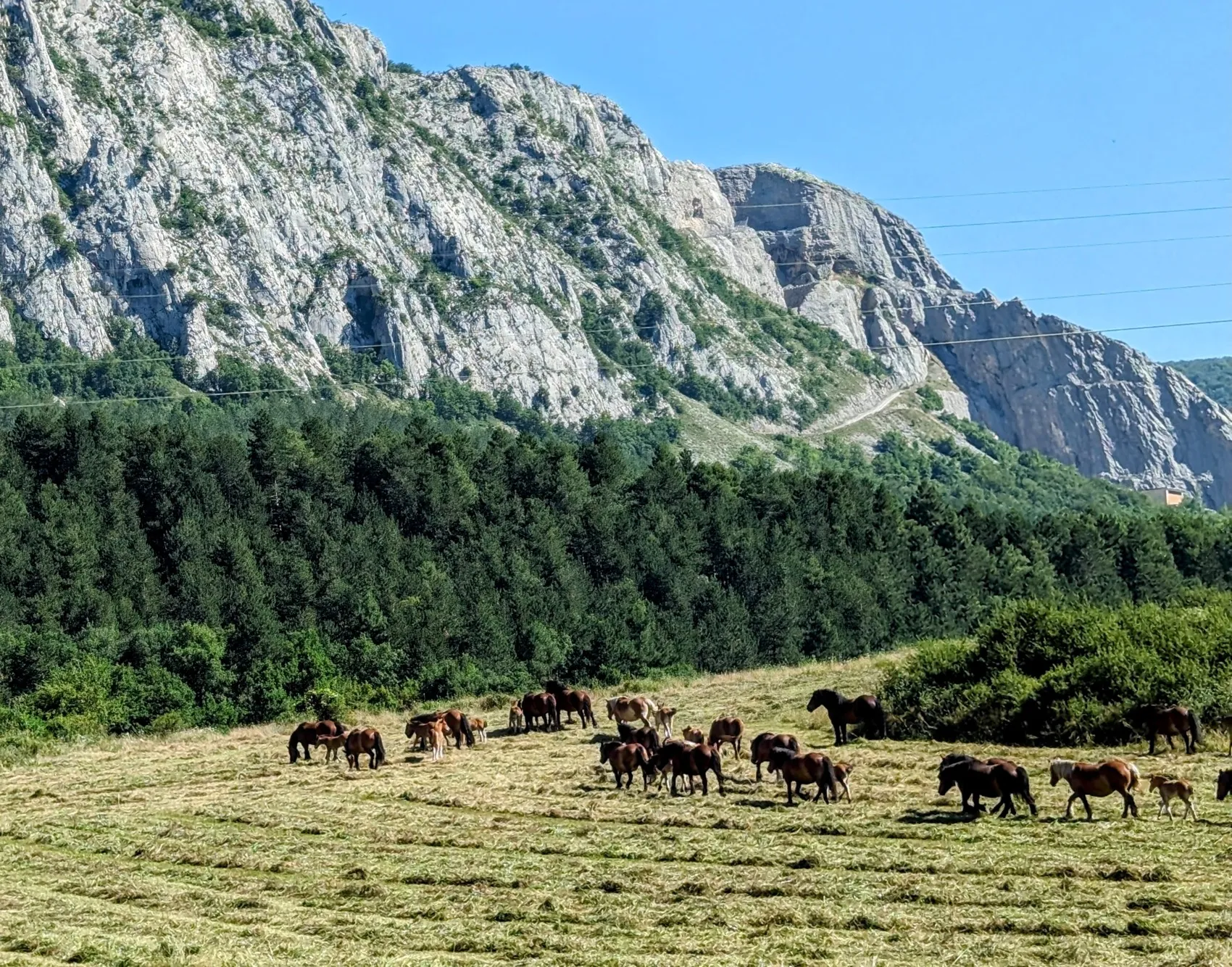
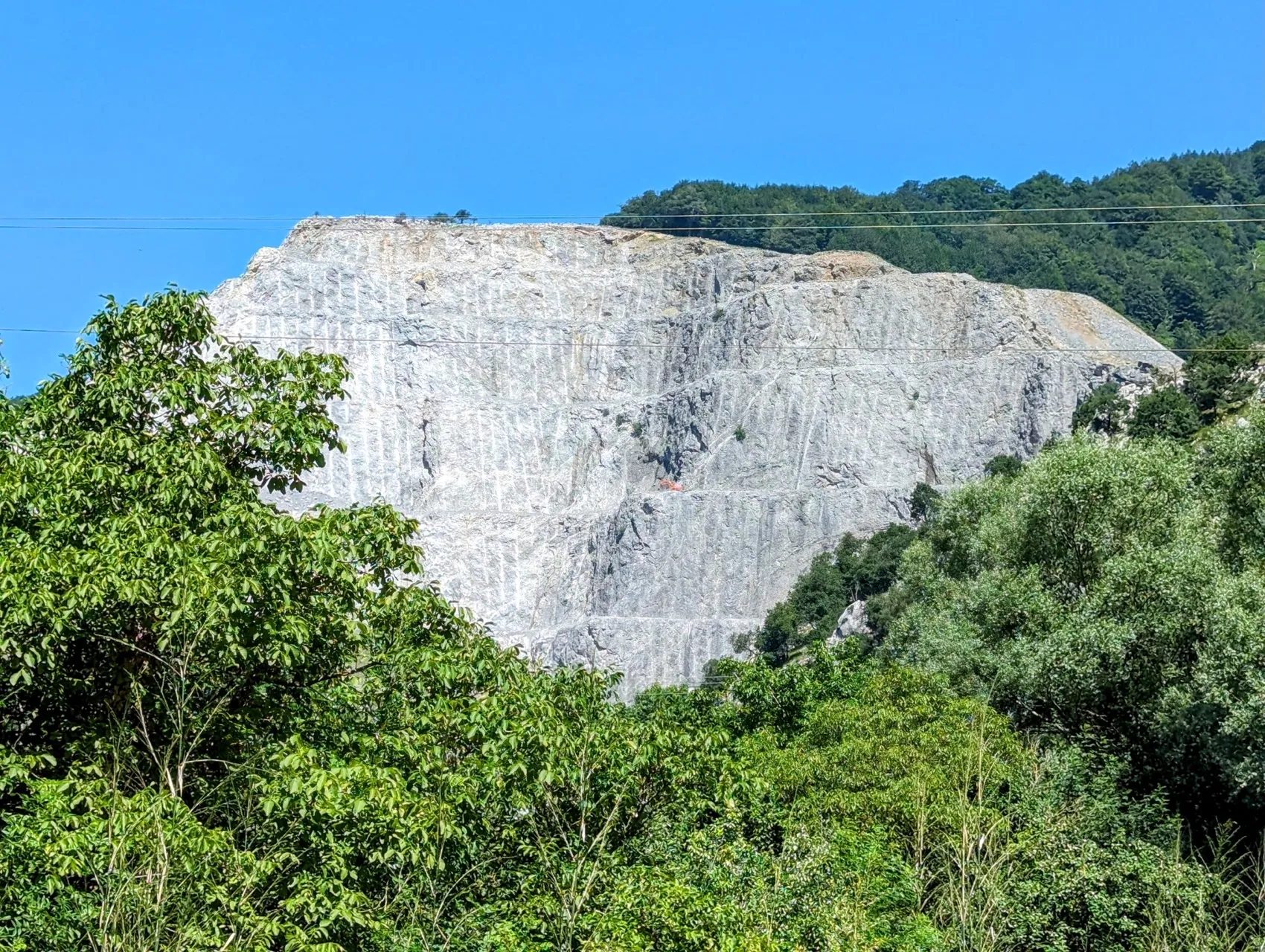
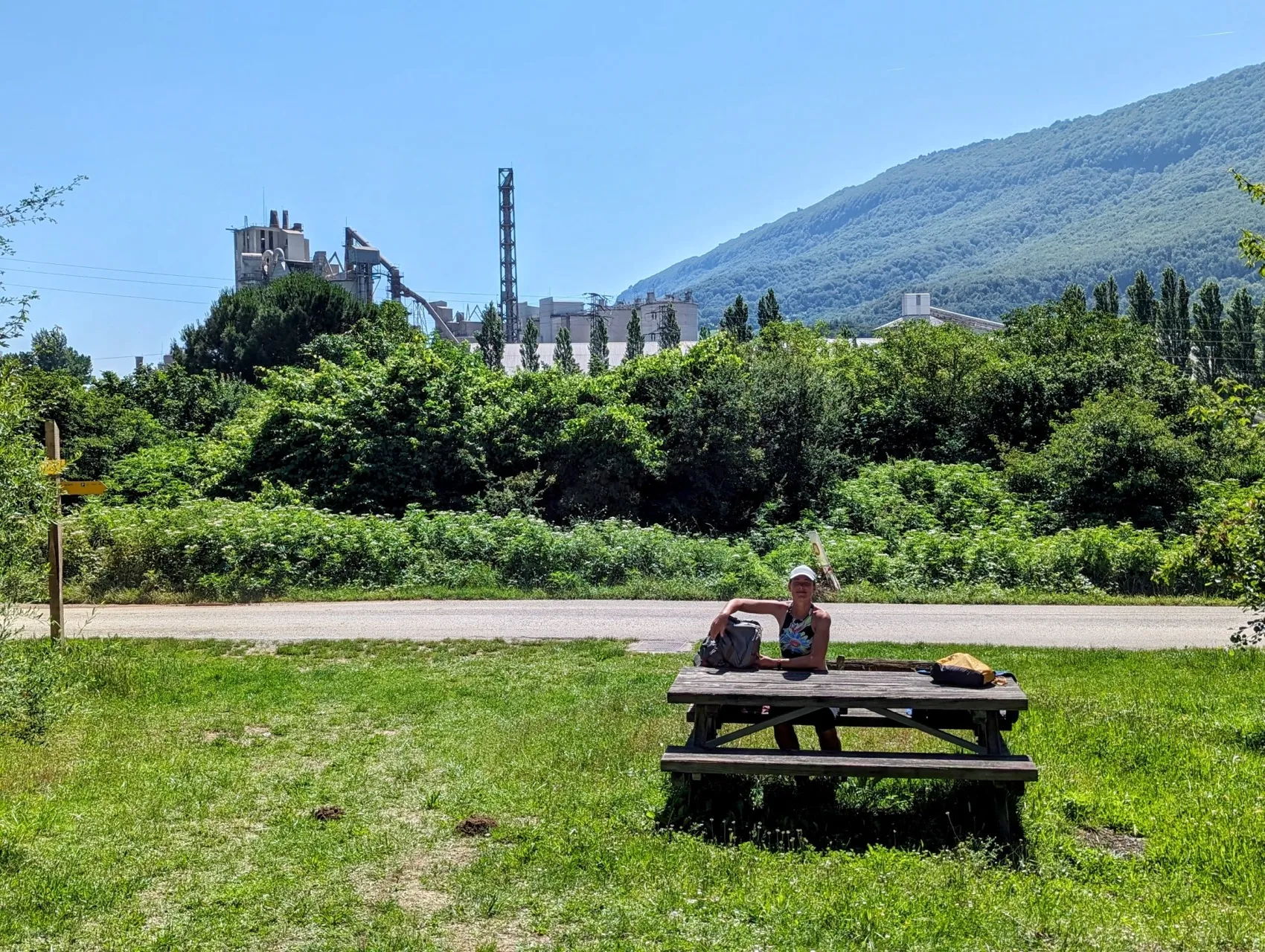
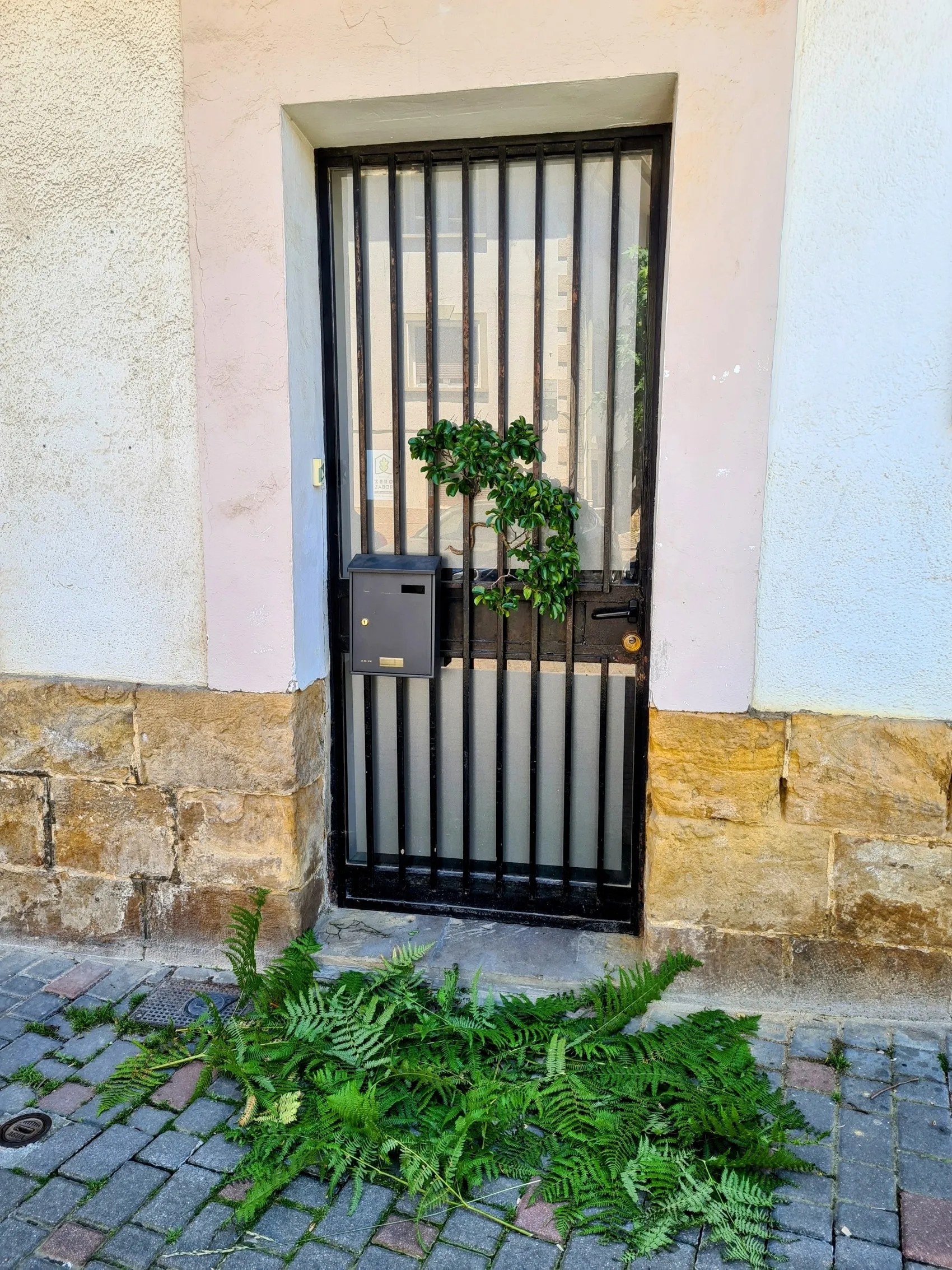
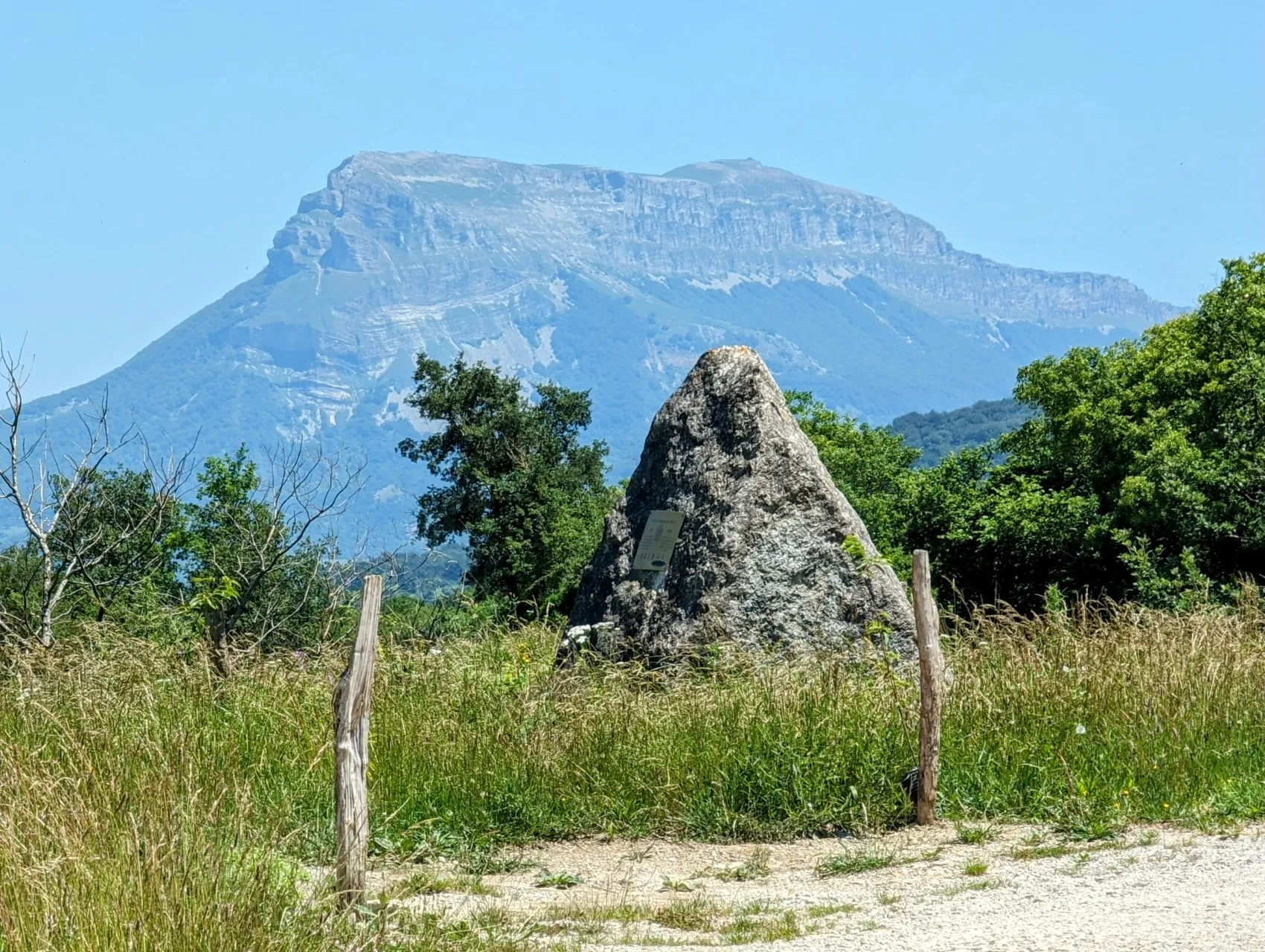
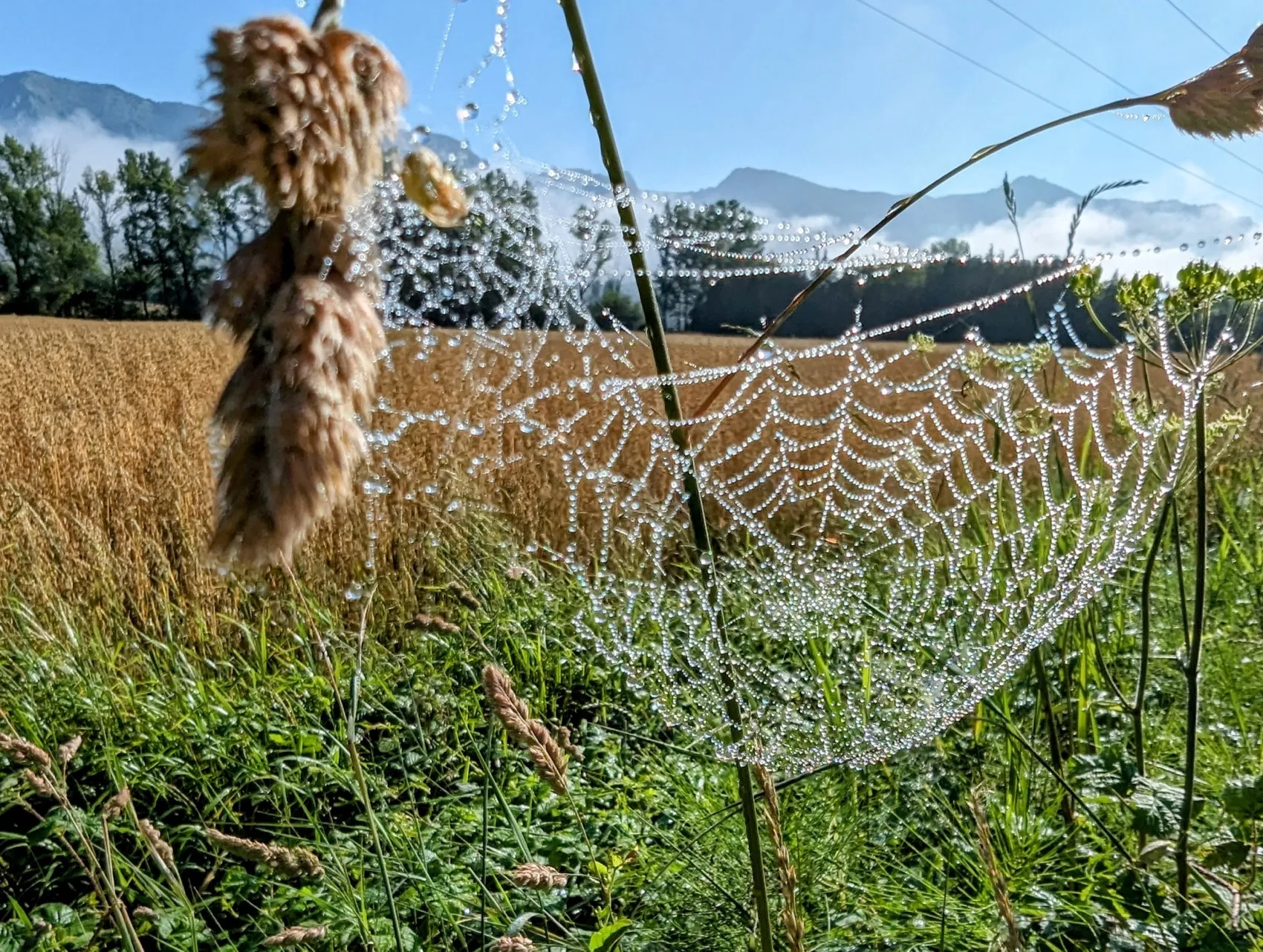
A little later, the mist has completely disappeared. From the station, we follow a farm track that leads us further down the valley. The valley becomes narrower, with the railway running through it along with the highway and a major road, but it becomes greener with rows of tall trees, so we're not bothered by the noise. Due to this morning's mist, the spider webs along the roadside are covered with fine droplets of water. The beautiful webs glisten in the sun. Now you can really see how many there are. We follow the paths through Ilardía and Egino. Both are small quiet villages, and also the last ones in the Basque Country. Just beyond Egino lies the border with the autonomous region of Navarre, so after three stages, we're leaving the Basque Country again, although historically the northern part of Navarre is Basque and belongs to the cultural region of the Basque Country. The capital, Pamplona, also has a Basque name, Iruña, and other places and streets are bilingual. Here, on the other side of the border, we're greeted in Basque, and people address us in this language. Spanish is already difficult, but Basque is impossible. But it's a language that sounds beautiful. The landscape remains largely the same this time, although it's starting to become more mountainous. Large excavations are visible against the mountains. We count at least four slopes where a large chunk has been taken out. Below the excavations in the valley stands a gigantic, old factory. Tall dusty concrete walls with broken windows, conveyor belts, silos, and piles of excavated rock make up a cement factory that looks like it did a hundred years ago but is still in full operation. These excavations are not the only ones; we take a break at picnic tables near a much older excavation. Archaeological discoveries have been made here; a mine and a village from the Stone Age were found. They found flint here to make arrows for hunting and tools for working wood and leather. A break between a gigantic new mine and a subtle old one, a nice spot. With sandwiches and instant coffee in hand, we continue through the woods. This stretch is much more wooded than we're used to, but with the sun shining brightly by now, it's a delightful walk. We head towards Alsasua – Altsasu, where it's definitely a bit tricky to find a suitable path among the network of roads and highways. This is the only major town we'll pass through today, and we've hit another Spanish holiday! La revetlla de San Juan, also known as the feast of St. John the Baptist. Fern branches lie in front of the doors of houses and shops, and long linden branches lean against the doorways. Piles of debris with charcoal and incense lie in the streets, remnants of the bonfires made on the night of June 23rd to 24th. The feast is celebrated throughout Spain, and where possible, large bonfires are made on the beach, but in villages like this one, it happens right in the middle of the street. It's believed to bring luck if you jump over the fire a few times.
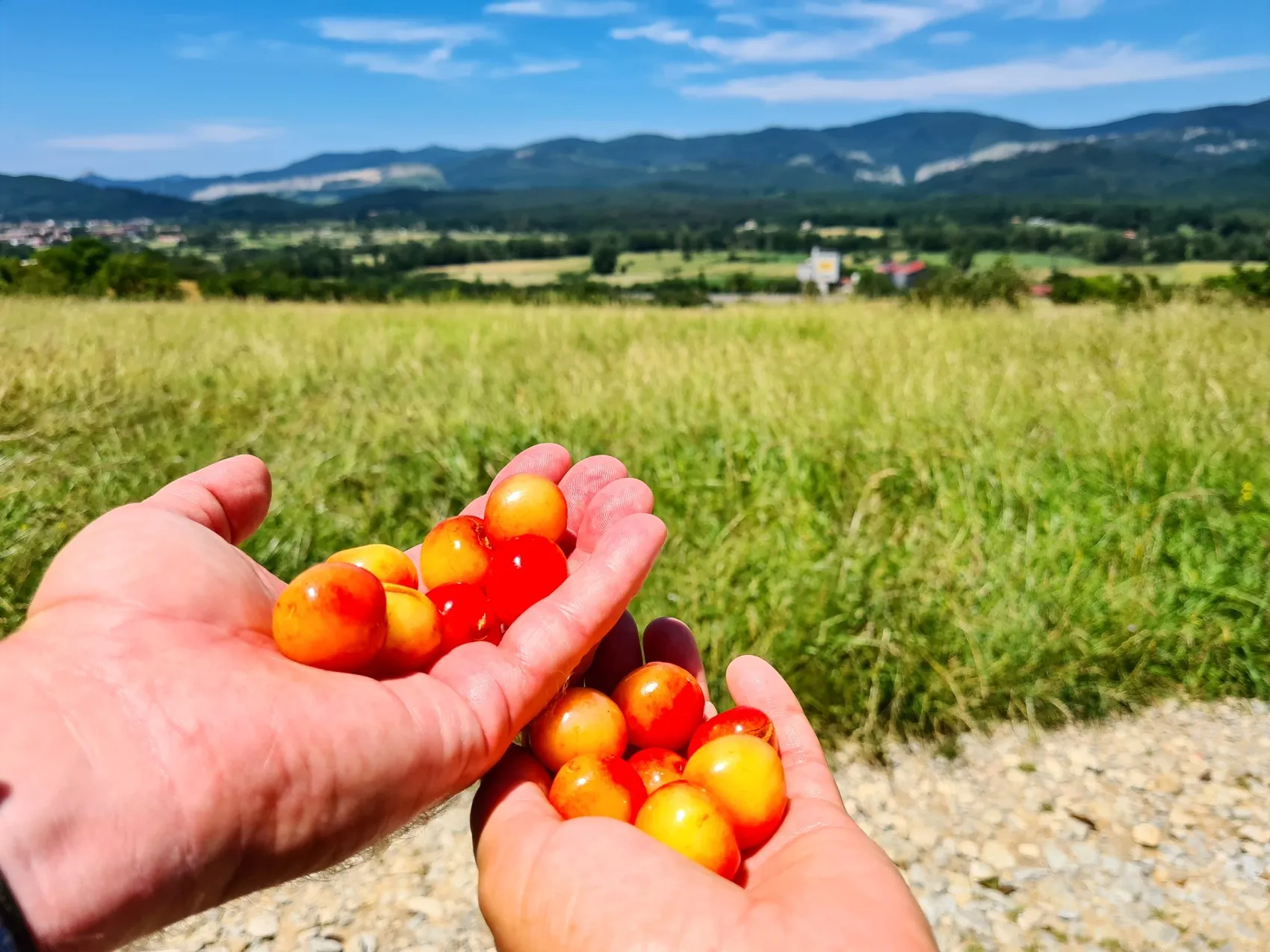
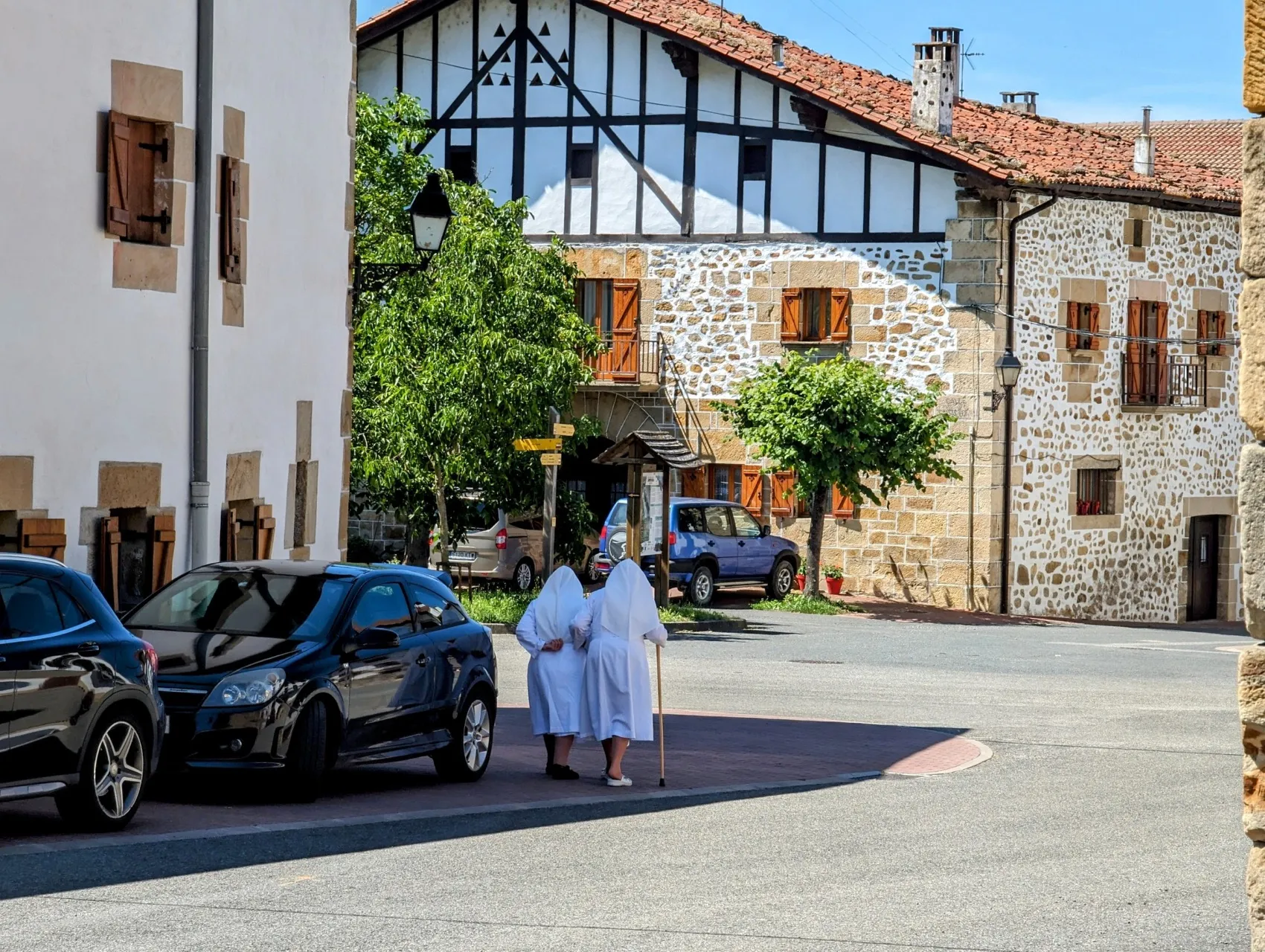
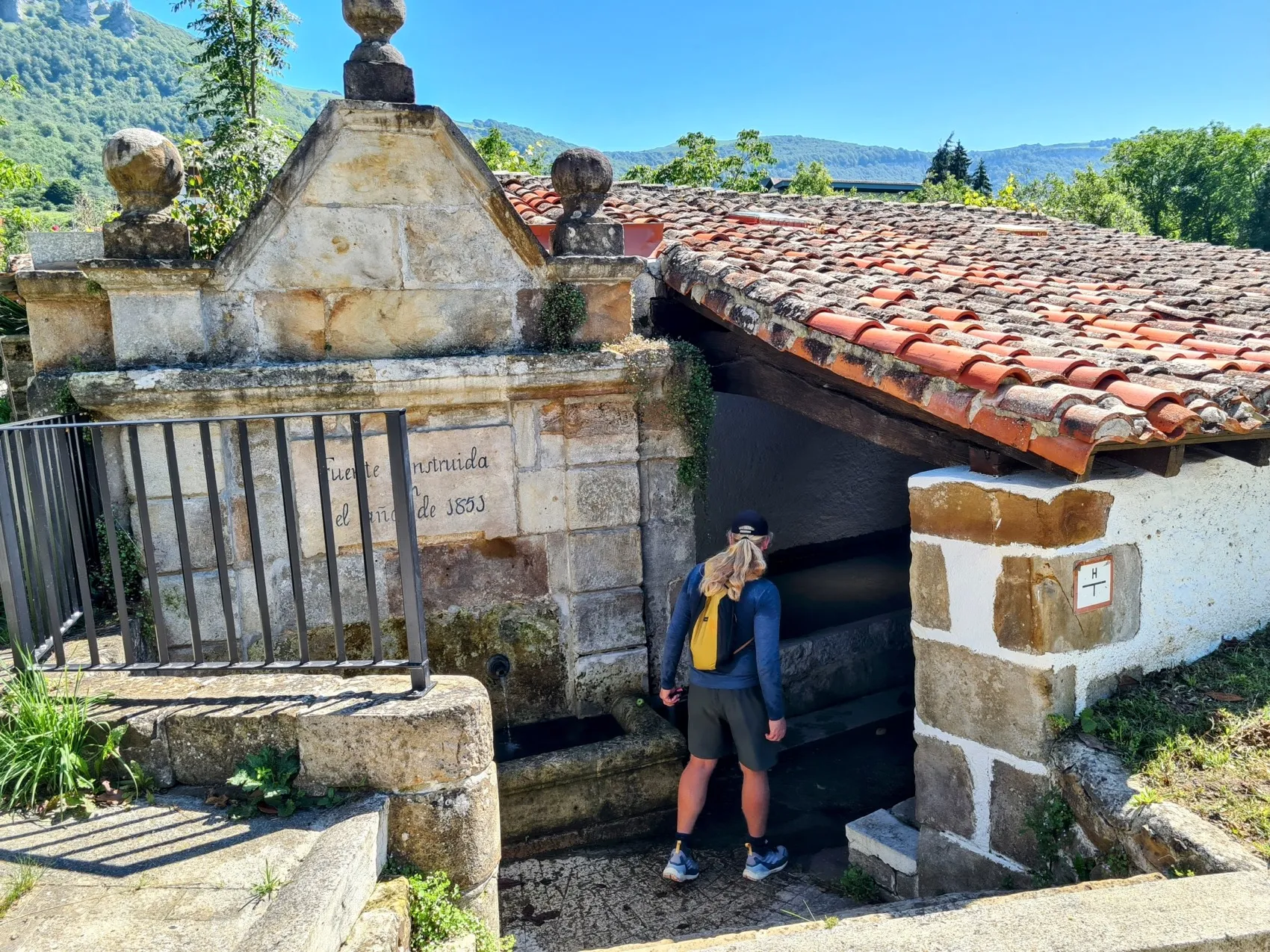
Luckily, on this festive Saturday, there's a store open. It's already over 30 degrees Celsius, and due to the lingering moisture in the air, it's quite stifling! We've brought extra drinks, but they're disappearing fast today, so we can refuel here. We walk out of town via a major road. When we turn off this road, we steeply ascend the hill on the other side of the valley from where we walked in the morning. We're soon grateful for the drinks we just bought; on this side, the landscape opens up again into meadows. But at the top, we're unexpectedly treated. Next to an old barn stands a large cherry tree. We've missed the red cherries so far; they were always gone by the time we moved north, but here are delicious sweet cherries that are just ripening. Yummy, the first of the season! And a little further, there are plum trees in the field. These, too, are just beginning to change color. Many are already on the ground; there's only a short time between being too sour and overripe, but we find a few delicious ones. What a treat. On the way down, we pass through a few more small villages. They all look well-maintained, with beautifully decorated facades adorned with flower boxes and squares with fountains; it seems like a prosperous area. The fountains are very welcome too; we hold our caps under the cool water to cool down. We even come across a lavada, an old washing place in villages that we've encountered a lot in France as well, hidden at the bottom of the hill near a church. We cross the highway and the railway tracks again and walk the last few kilometers through the forest to the campsite.
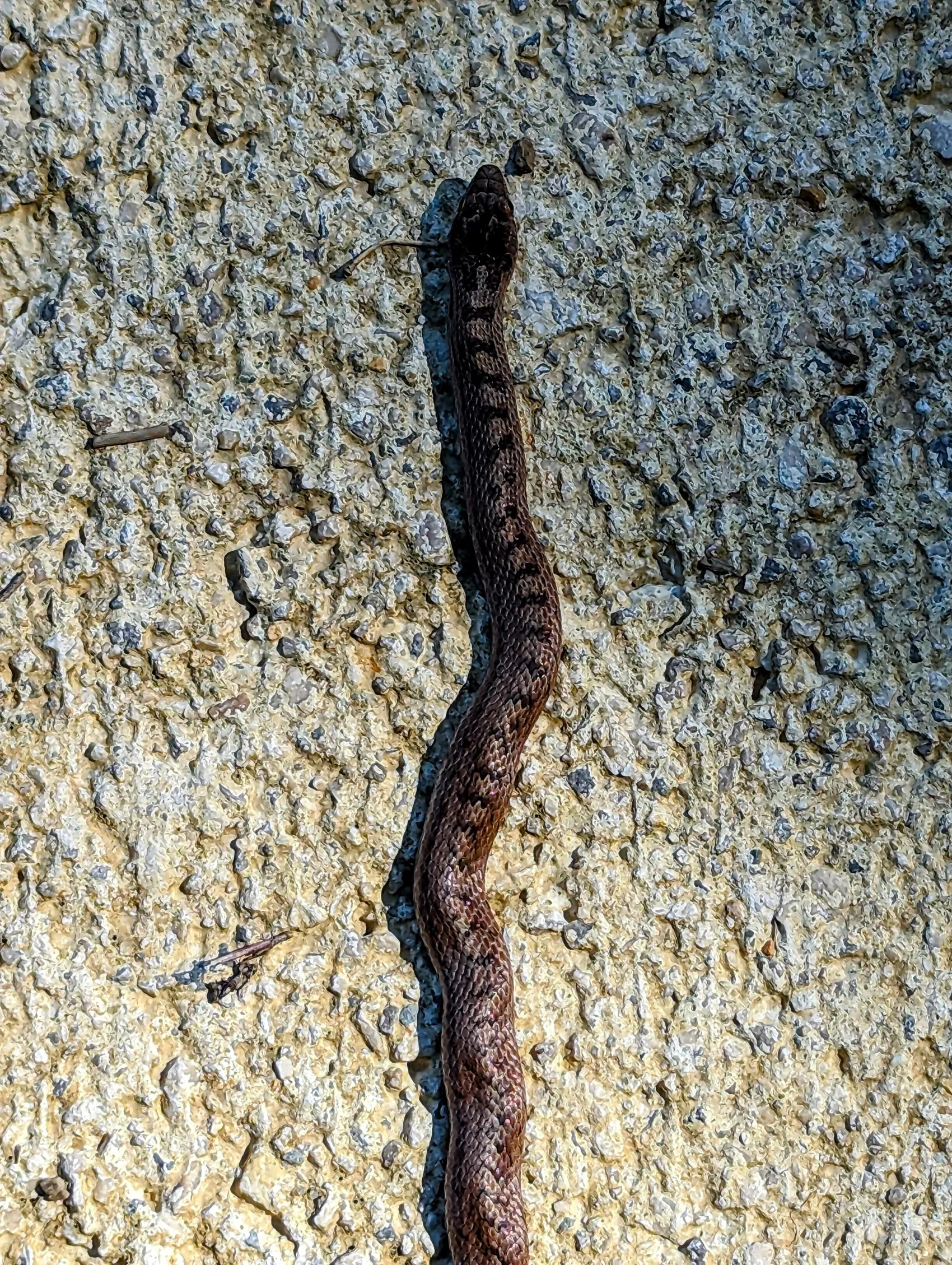
Here, you can clearly see how much rain has fallen in the past few days. The flat areas have turned into mud puddles, and deep trenches have been carved into the slopes. But that mud won't stay for long; dry and sunny weather has been forecasted for the next few days, and it'll be slightly cooler than today. Perfect weather for walking the final stages to Pamplona. In the last kilometers of the stage, we see a snake lying on the path, basking in the sun. As we approach, it slithers away peacefully, allowing us to get a good look at it. Even before reaching the campsite, we can hear the sounds of the pool, indicating that we're close by. The pool is packed on this scorching Saturday afternoon. Off to our quiet camping spot in the shade on the other side of the campground. After arriving here twice before after a stage, we've now truly arrived at the campsite.